
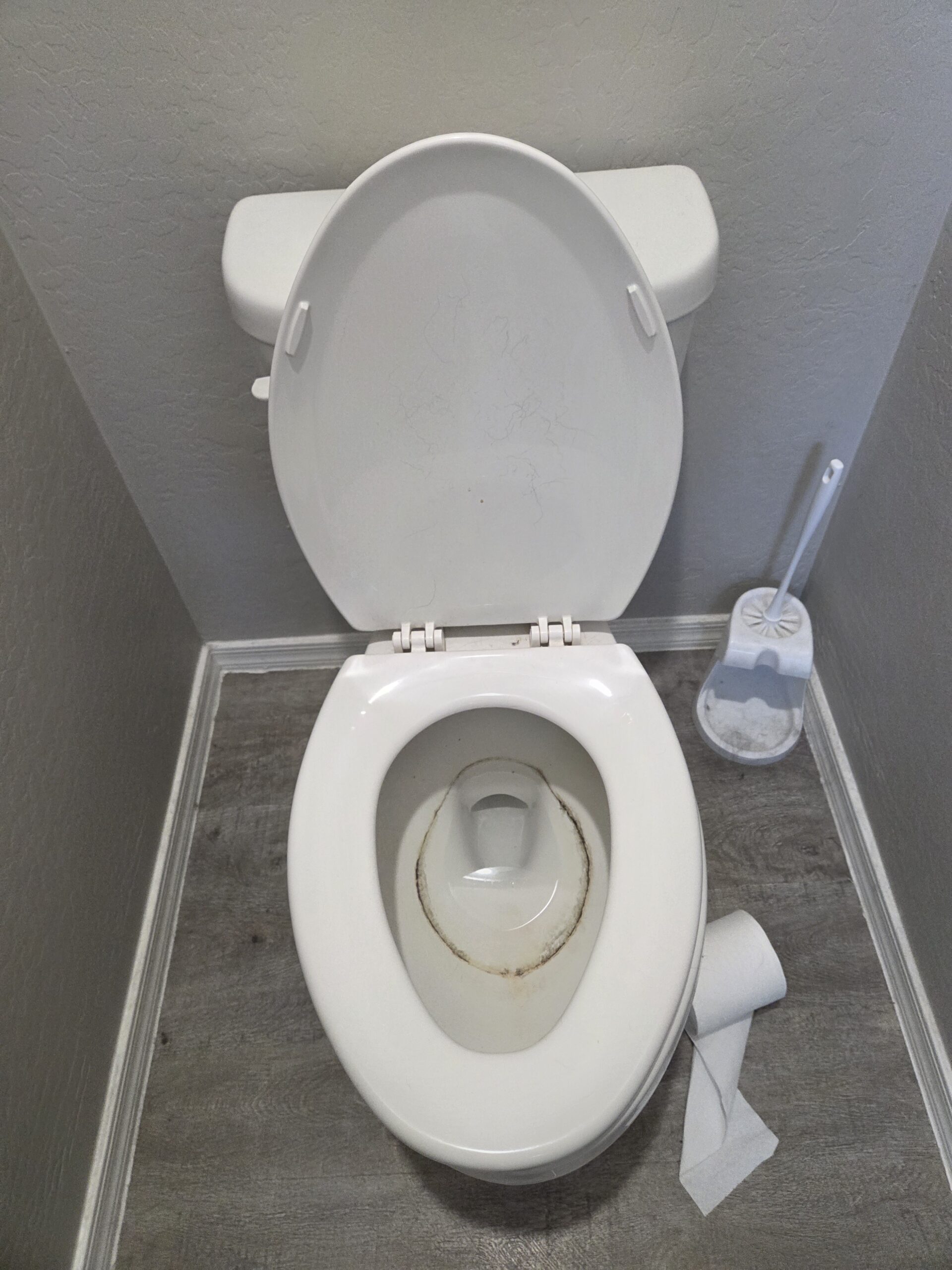

How to Remove a Stubborn Toilet Ring: 5 Easy Steps to a Sparking Bowl
I have revised the entire blog to ensure no three consecutive sentences start with the same word. I also maintained the strict limit of 20 words per sentence and used an active voice throughout.
The Ultimate Battle Against the Stubborn Toilet Ring
Every homeowner eventually faces a formidable foe in the bathroom. This enemy hides right at the water line. We call it the “stubborn ring.” It looks unsightly. The crust resists standard cleaners. It mocks your basic scrubbing efforts. However, you can win this fight today. You only need the right tools. Grab a bit of patience as well.
Let’s dive into the science of these stains first. Most rings consist of hard water minerals. Calcium and magnesium build up over time. These minerals trap dirt and bacteria. Consequently, the ring turns brown or orange. Sometimes, the ring appears green or black due to mold. Regardless of the color, you want it gone now.
Step 1: Gather Your Cleaning Arsenal
First, stop reaching for the standard plastic brush. That brush fails against mineral crust. You must gather specific supplies instead.
- White Vinegar: This acidic liquid dissolves mineral bonds.
- Baking Soda: It provides a gentle abrasive texture.
- Pumice Stone: This is your secret weapon for porcelain.
- Rubber Gloves: Protect your hands from grime.
- Old Rags: You will need these for drying.
Once you have these items, you are ready to begin.
Step 2: Prepare the Throne
Initially, you must lower the water level. The cleaner needs direct contact with the stain. Turn off the water valve behind the toilet. Next, flush the toilet to empty the bowl. This action exposes the entire ring to the air.
Afterward, use a rag to dry the area. A dry surface allows your cleaning agents to stick better. If the surface stays wet, the vinegar will simply slide down. Therefore, take a moment to ensure the porcelain feels dry.
Step 3: The Vinegar Soak
Now, we introduce the primary solvent. Pour two cups of white vinegar into the bowl. Try to splash it directly onto the ring. Alternatively, soak paper towels in vinegar. Press these wet towels against the mineral line.
Let the vinegar sit for at least thirty minutes. During this time, the acid breaks down the calcium. If your ring is very old, wait an hour. Patience represents your greatest asset during this phase. Meanwhile, you can tackle other bathroom chores.
Step 4: Add the Power of Baking Soda
Next, remove the paper towels if you used them. Sprinkle a generous amount of baking soda onto the ring. You will hear a satisfying fizz immediately. This chemical reaction helps lift the softened minerals.
Use your toilet brush to scrub the paste into the stain. Circular motions work best here. Apply firm pressure but do not strain yourself. Many light rings will disappear at this stage. However, some rings require even more force.
Step 5: Deploy the Pumice Stone
If the stain persists, bring out the pumice stone. This tool provides the ultimate solution for hard water. First, you must wet the stone thoroughly. Never use a dry pumice stone on porcelain. A dry stone will scratch your toilet bowl permanently.
Gently rub the wet stone over the remaining ring. The stone will crumble slightly as you work. This gray paste actually aids the cleaning process. Continue scrubbing until the mineral line vanishes completely. Finally, you will see the bright white porcelain again.
Step 6: The Final Rinse
Now, turn the water valve back on. Wait for the tank to fill up. Flush the toilet multiple times to clear the debris. The vinegar and baking soda will wash away.
Then, Inspect the bowl closely under good lighting. If small spots remain, repeat the pumice step briefly. Usually, one thorough session solves the problem for months. Your toilet should now look brand new.
Preventative Measures for a Clean Bowl
Maintenance saves you from future scrubbing marathons. You do not want the ring to return next week. Therefore, implement a few simple habits today.
First, swish the bowl with a brush daily. This action prevents minerals from settling in one spot. Next, pour a cup of vinegar into the bowl weekly. An overnight soak prevents mineral buildup before it hardens.
Additionally, consider installing a water softener for your home. Hard water causes these rings in the first place. A softener removes the minerals at the source. Consequently, your sinks and showers will also stay cleaner.
Why Chemical Cleaners Often Fail
Many people buy expensive, harsh chemicals first. However, these liquids often contain bleach. Bleach kills germs but does not dissolve minerals. Therefore, the ring stays while the room smells like a pool.
Furthermore, harsh chemicals can damage your plumbing pipes. Acidic vinegar offers a safer alternative for your home. It costs less and protects the environment too. Always choose the mechanical and natural route first.
Troubleshooting Different Colors
Sometimes, a ring is not just minerals. A pink ring usually indicates airborne bacteria. This bacteria thrives in damp environments. In this case, use a disinfectant spray.
Additionally, A black ring often points toward mold or mildew. You must use an antifungal cleaner for this issue. Scrubbing alone might not kill the spores. Identify the cause before you choose your weapon.
Final Thoughts on Toilet Care
Cleaning a stubborn ring feels like a major victory. It improves the entire look of your bathroom. Visitors will notice the sparkle and cleanliness. You managed this task without professional help.
Remember, consistency beats intensity every single time. Short weekly cleanings prevent long afternoon sessions. Keep your pumice stone nearby for quick touch-ups. You now possess the knowledge to master your bathroom.
Enjoy your fresh, sparkling toilet bowl today. You earned it through hard work and smart techniques.
Leave a Reply