Area rugs add warmth, style, and comfort to every room. However, each rug material requires a different cleaning approach. If you use the wrong method, you can damage fibers, fade colors, or shorten your rug’s lifespan. Therefore, learning how to clean wool, synthetic, and jute rugs correctly helps you protect your investment while keeping your home fresh.
This comprehensive guide explains the best cleaning techniques for each rug type. Additionally, you’ll learn which products to use, what mistakes to avoid, and how often you should clean each material.
Why Rug Material Matters
Not all area rugs respond to moisture, cleaning products, or scrubbing in the same way. For example, wool naturally repels dirt, while jute quickly absorbs water. Meanwhile, synthetic rugs handle moisture much better than natural fibers.
Consequently, identifying your rug’s material before cleaning prevents unnecessary damage and keeps the fibers looking their best.
How to Identify Your Rug Material
Before you begin cleaning, inspect the rug carefully.
Here are the most common materials:
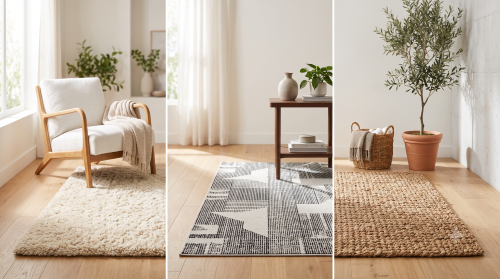
- Wool: Thick, soft fibers with a natural texture and slight sheen.
- Synthetic: Usually made from polypropylene, polyester, or nylon. These rugs feel smooth and resist stains.
- Jute: Coarse, woven natural fibers with a rustic appearance.
If the manufacturer still has the label attached, check the care instructions first. Otherwise, contact the retailer if you remain unsure.
Cleaning Wool Area Rugs
Wool rugs offer luxury, durability, and natural stain resistance. However, they require gentle care because harsh chemicals can strip away their protective lanolin coating.
Vacuum Regularly
Vacuum your wool rug once or twice each week.
For the best results:
- Use suction only whenever possible.
- Turn off the rotating brush if your vacuum allows.
- Vacuum both sides every few months.
- Vacuum in different directions to remove embedded dirt.
Regular vacuuming prevents dirt from grinding into the fibers.
Spot Clean Immediately
Accidents happen. Therefore, clean spills as soon as possible.
Follow these steps:
- Blot the spill with a white microfiber cloth.
- Never rub the stain.
- Mix cool water with a few drops of wool safe detergent.
- Dab the stain gently.
- Blot again with clean water.
- Dry the area with towels.
Quick action usually prevents permanent staining.
Deep Clean Carefully
Unlike synthetic rugs, wool should not become soaking wet.
Instead:
- Use a wool safe shampoo.
- Clean one section at a time.
- Apply minimal moisture.
- Rinse lightly.
- Dry the rug completely before placing furniture back.
Additionally, open windows or use fans to speed drying.
Cleaning Synthetic Area Rugs
Synthetic rugs remain popular because they resist stains, moisture, and heavy foot traffic. As a result, they require less maintenance than natural fibers.
Common synthetic materials include:
- Polypropylene
- Polyester
- Nylon
- Olefin
Vacuum Frequently
Vacuum high traffic rugs two or three times each week.
Unlike wool rugs, synthetic fibers tolerate beater bars much better. Consequently, rotating brushes help remove dirt more effectively.
Remove Stains Easily
Synthetic fibers usually release stains with minimal effort.
Mix:
- Warm water
- Mild dish soap
Then:
- Blot the stain.
- Apply the cleaning solution.
- Gently scrub with a soft brush.
- Rinse with clean water.
- Blot until dry.
Avoid using bleach unless the manufacturer specifically approves it.
Deep Cleaning
Most synthetic rugs tolerate deeper cleaning.
You can:
- Use carpet shampoo.
- Rent a carpet cleaner.
- Steam clean if recommended.
- Wash small rugs outdoors.
Nevertheless, avoid over saturating the backing because excessive moisture may weaken adhesives.
Cleaning Jute Area Rugs
Jute rugs create a beautiful natural appearance, yet they require the most careful maintenance.
Because jute absorbs moisture quickly, water often causes:
- Mold
- Mildew
- Fiber swelling
- Brown stains
- Permanent discoloration
Therefore, keep water exposure to an absolute minimum.
Vacuum Weekly
Use suction only vacuuming whenever possible.
Avoid aggressive brush rolls because they can loosen woven fibers.
Vacuum both directions to remove trapped dust.
Dry Cleaning Is Best
Instead of using water, sprinkle baking soda across the rug.
Then:
- Let it sit for 20–30 minutes.
- Vacuum thoroughly.
- Repeat if necessary.
This method helps eliminate odors without damaging natural fibers.
Spot Cleaning Jute
If liquid spills occur:
- Blot immediately.
- Use paper towels to absorb moisture.
- Dab lightly with a barely damp cloth.
- Dry with fans immediately.
Never soak a jute rug.
The faster you dry the fibers, the better the outcome.
Removing Common Rug Stains
Different stains require different treatments. However, acting quickly always increases your chances of complete removal.
Coffee
Blot immediately.
Next, apply mild soap and cool water before drying thoroughly.
Pet Accidents
Remove solids first.
Then use an enzyme cleaner that matches your rug material.
Always test products in an inconspicuous area first.
Wine
Blot the liquid without rubbing.
Afterward, clean with cool water and mild detergent.
Repeat until the stain disappears.
Mud
Allow mud to dry completely.
Then vacuum thoroughly before treating any remaining marks.
How Often Should You Deep Clean?
Cleaning frequency depends on traffic, pets, and household activity.
General recommendations include:
- Wool rugs: Every 12–18 months
- Synthetic rugs: Every 6–12 months
- Jute rugs: Professional dry cleaning when needed
Homes with pets or children often benefit from more frequent cleaning.
Common Rug Cleaning Mistakes
Many homeowners accidentally damage rugs by using improper cleaning methods.
Avoid these common mistakes:
Using Too Much Water
Excess moisture weakens natural fibers and encourages mold growth.
Instead, use only the amount of moisture needed.
Scrubbing Aggressively
Hard scrubbing pushes stains deeper into fibers.
Always blot gently instead.
Skipping Regular Vacuuming
Dirt acts like sandpaper.
Consequently, neglected rugs wear out much faster.
Using Harsh Chemicals
Strong cleaners can bleach colors and damage fibers.
Choose products specifically designed for your rug material.
Ignoring Manufacturer Instructions
Every rug differs slightly.
Therefore, follow the manufacturer’s recommendations whenever possible.
Tips to Keep Area Rugs Cleaner Longer
Good maintenance reduces deep cleaning and extends your rug’s life.
Follow these simple habits:
- Remove shoes indoors.
- Vacuum consistently.
- Rotate rugs every six months.
- Place mats at entrances.
- Clean spills immediately.
- Keep pets groomed.
- Use rug pads underneath.
- Avoid prolonged direct sunlight.
Together, these habits significantly reduce wear and staining.
When to Hire a Professional
Some situations require professional expertise.
Consider professional cleaning if your rug has:
- Extensive pet urine damage
- Water damage
- Mold growth
- Valuable antique fibers
- Persistent odors
- Large stains
- Color bleeding
Professionals use specialized equipment and cleaning methods that protect delicate materials while delivering a deeper clean.
Final Thoughts
Choosing the correct cleaning method starts with knowing your rug’s material. Wool rugs need gentle handling and minimal moisture to preserve their natural beauty. Synthetic rugs offer greater durability and tolerate more intensive cleaning, making them ideal for busy households. Jute rugs demand the most caution because water can quickly damage their natural fibers.
Regular vacuuming, prompt stain removal, and material specific care will keep your area rugs looking fresh for years. By following these cleaning techniques and avoiding common mistakes, you can maintain the beauty, comfort, and longevity of every rug in your home while protecting your investment.
Leave a Reply