
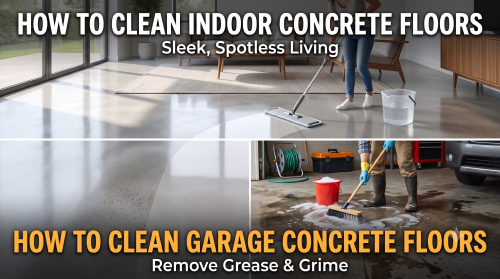
Concrete floors have transformed from utilitarian basements to sleek, modern interior showpieces. Naturally, homeowners love polished indoor concrete and heavy duty garage slabs for their durability and industrial chic look. However, porous surfaces act like sponges if you ignore them, trapping dust, grease, and stubborn grime over time.
Fortunately, cleaning concrete does not require professional equipment or complex chemistry. Indeed, with a few straightforward techniques, you can make both indoor living areas and rugged garage slabs look fresh and spotless.
Understanding Your Concrete Surface
Before you grab a mop or hose, you must identify your floor finish. Indoor living spaces typically feature sealed, stained, or polished concrete. Consequently, these polished surfaces require gentle, pH-neutral cleaners that protect the top protective layer.
On the other hand, garage floors usually feature unsealed or epoxy-coated concrete. Unsealed slabs withstand aggressive scrub brushes and high pressure water, whereas epoxy coatings require non-abrasive tools to prevent dulling. Therefore, matching your cleaning method to your specific finish saves both time and money.
Part 1: How to Clean Indoor Concrete Floors
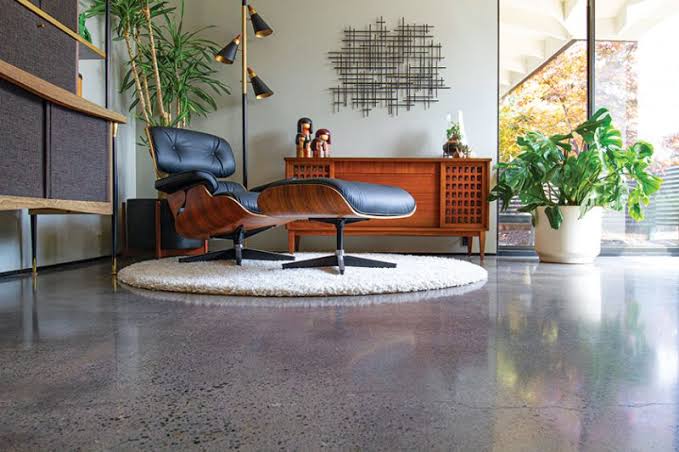
Indoor concrete floors bring an elegant, minimal vibe to living rooms, kitchens, and basements. However, everyday foot traffic, pet dander, and food spills can slowly dim that brilliant shine. Follow these steps to restore your interior floors safely.
Step 1: Clear the Surface Fine Dust
First, sweep the area thoroughly with a soft bristle broom or vacuum using a hard floor setting. Avoid vacuum cleaners with rotating beater bars because the rigid bristles can scratch delicate sealants. Because fine silica dust continuously settles on concrete, sweeping eliminates abrasive particles before wet cleaning begins.
Step 2: Mix a Gentle Cleaning Solution
Next, fill a mop bucket with warm water and add a few drops of pH-neutral dish soap or specialized polished concrete cleaner. Additionally, avoid acidic solutions like vinegar, citrus cleaners, or harsh bleach. Acidic mixtures etch concrete, dulling glossy sealants over time.
Step 3: Damp Mop in Sections
After mixing your cleaning solution, dip a microfiber mop into the bucket and wring it out completely. Remember, you want a damp mop rather than a dripping wet one, as standing water can seep into microscopic hairline cracks. Work in small sections, moving the mop in smooth, overlapping S-patterns.
Step 4: Rinse and Dry
Finally, fill a second bucket with clean, cool water. Mop over the area once more to lift lingering soap film. Afterward, dry the surface immediately with a clean microfiber towel or allow fans to circulate air through the room.
Indoor Cleaning Checklist:
- Soft broom or canister vacuum
- Microfiber flat mop
- pH-neutral dish soap or stone cleaner
- Two buckets (one for soapy water, one for fresh rinse water)
Part 2: How to Clean Heavy Duty Garage Concrete Floors
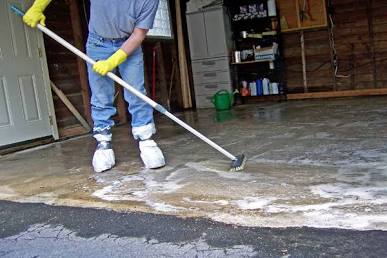
Garage floors face far tougher challenges, including engine oil, road salt, tire marks, and heavy dirt accumulation. Therefore, garage maintenance calls for a slightly stronger strategy.
Step 1: Clear and Prep the Zone
First, clear all vehicles, lawnmowers, and storage boxes off the floor. Next, grab a stiff outdoor push broom and sweep away leaves, dirt, and cobwebs. Protect electrical outlets near the floor by taping plastic sheets over them.
Step 2: Treat Oil Stains and Grease
Before scrubbing the entire slab, tackle oil spots directly. First, cover fresh oil spills with cat litter, cornstarch, or baking soda to soak up liquid grease. Let it sit for at least 30 minutes, then sweep up the saturated powder.
For older, set-in oil stains, apply a commercial concrete degreaser or create a thick paste using poultice powder mixed with liquid detergent. Scrub the mixture into the stain using a stiff nylon brush, wait 15 minutes, and rinse thoroughly.
Step 3: Scrub with a Heavy Duty Solution
Now, mix warm water with a concentrated floor cleaner or powdered laundry detergent in a large bucket. Pour the solution directly onto the concrete floor in sections. Immediately scrub the wet floor using a long handled, stiff-bristle deck brush to break down ground-in grime.
Step 4: Hose Down and Squeegee
To finish, blast away dirty water toward the driveway using a garden hose with a high-pressure nozzle or a low setting pressure washer. Lastly, push remaining water out of the garage with a rubber floor squeegee to prevent water spots and speed up drying times.
Comparing Care Methods at a Glance
| Feature | Indoor Concrete Floors | Garage Concrete Floors |
| Typical Finish | Sealed, stained, polished | Unsealed, acrylic sealed, epoxy |
| Ideal Cleaner | pH-neutral soap & warm water | Heavy duty degreaser or detergent |
| Scrubbing Tool | Soft microfiber pad | Stiff-bristle deck brush |
| Rinse Method | Damp microfiber rinse mop | Garden hose & floor squeegee |
| Key Danger | Acidic cleaners (bleach/vinegar) | Standing water & unaddressed oil spots |
Pro Tips to Maintain Long Lasting Concrete Floors
- Place Entry Mats: Put high quality floor mats at exterior entryways to catch grit, sand, and moisture before shoes cross your interior concrete.
- Wipe Spills Instantly: Clean up coffee, wine, juice, and automotive fluids right away. Porous concrete absorbs liquids quickly, leaving deep, permanent stains.
- Reseal Every 2–5 Years: Keep an eye on water absorption. If water stops beading on the surface and darkens the concrete instead, apply a fresh coat of sealer to safeguard the slab.
By establishing a simple routine, you can keep your concrete floors sleek, durable, and spotless for decades to come. Happy cleaning!
Leave a Reply