The Hidden Nightmare of Airbnb Turnovers: The Brutal Downsides of Community Laundry
You bought a great investment property. However, you forgot one critical detail. Where do you wash the dirty sheets?
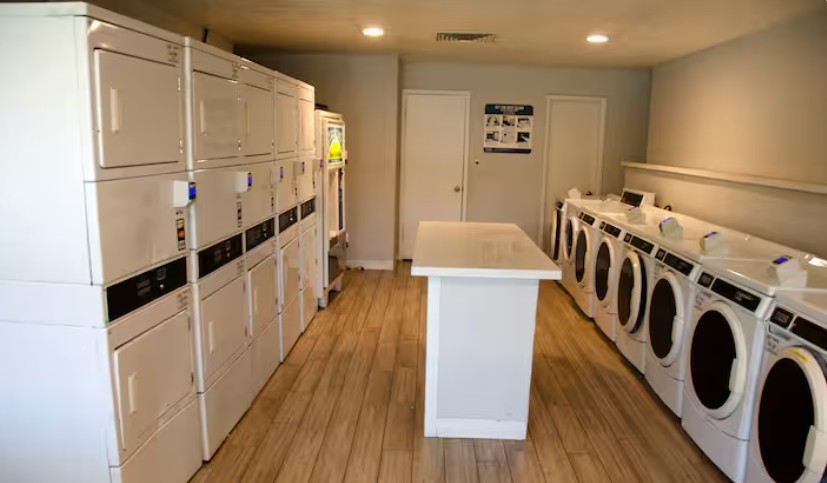
Your laundry setup dictates your entire turnover process. Consequently, it can destroy your rental business. Many properties rely on shared community laundry rooms. In contrast, other units offer private, in-unit washers and dryers. This choice directly impacts your cleaning speed. Furthermore, it affects your overall operational costs. Let us expose the major pitfalls of community laundry. Specifically, we will focus purely on the downsides.
1. The Constant Battle for Open Machines
First, you must consider availability. In a private setup, your cleaner controls the schedule. They walk into the unit. Immediately, they start the first load of sheets. No one else competes for that machine. On the other hand, community laundry rooms require immense luck. Other residents live in the building. Naturally, they also need to wash their clothes. Your cleaner might arrive with three loads of dirty linens. Yet, they find every single machine full. Consequently, your cleaner must wait. They cannot magically create open machines. This waiting blocks the entire turnover. Your check-out is at 11:00 AM. Meanwhile, your next guest arrives at 3:00 PM. Therefore, you only have four hours. You cannot afford to lose sixty minutes. A simple delay ruins your tight schedule. Ultimately, you must ask guests for late arrivals. That situation immediately hurts your reviews.
2. The Dirt and Grime of Shared Washers
Next, we must discuss sanitation. Guests expect pristine, sparkling sheets. Indeed, they pay high cleaning fees for perfection.
In a private home, you control the machine’s maintenance. You clean the filters regularly. Thus, you ensure the tub stays fresh.
Conversely, community machines suffer from constant neglect. Hundreds of strangers use them. People wash dirty mud rags. Additionally, they wash pet blankets covered in hair. Sometimes, they even wash greasy work uniforms. As a result, residue builds up inside. Your cleaner drops white sheets into the drum. Suddenly, those sheets collect black grease spots. Or, they come out smelling like someone else’s cheap perfume.
Moreover, pet hair transfers easily. A guest with allergies might suffer. Obviously, you cannot easily clean a public machine. You inherit the filth of the entire neighborhood.
3. The Constant Financial Drain
Furthermore, we must analyze the ongoing costs. Private laundry only costs electricity and water. Normally, you pay these bills monthly anyway. The cost per load remains incredibly small.Conversely, community laundry demands direct cash. You must pay per wash. Additionally, you must pay per dry.These fees add up incredibly fast. Specifically, let us calculate the math.
| Laundry Type | Cost Per Load | Total Per Turnover (3 Loads) | Annual Cost (100 Bookings) |
| Private In-Unit | ~$0.50 (Utility cost) | $1.50 | $150.00 |
| Community Shared | ~$5.00 (Quarters/App) | $15.00 | $1,500.00 |
Therefore, you lose significant profit. You must pay this fee on every single turnover. Sometimes, a heavy blanket requires two dry cycles. Thus, your costs double instantly.
You cannot easily pass this cost to guests. After all, your cleaning fee already looks high. Eventually, these tiny fees eat your profit margin.
4. The Exhausting Walk of Shame
Additionally, think about the physical labor. Private laundry requires minimal movement. Typically, the laundry closet sits near the bedroom. Your cleaner moves steps, not miles. On the contrary, community laundry requires a hike. The facility sits down the hall. Or, it sits across the complex. Sometimes, it is down three flights of stairs. Your cleaner must pack dirty laundry. Then, they haul heavy bags through public spaces. Next, they walk all the way back to clean the unit.
[Airbnb Unit] ---> (Walk 5 Mins) ---> [Community Laundry]
      ^                                       |
      |                                       v
[Fold Linens] <--- (Walk 5 Mins) <--- [Wait & Switch]
Later, the timer dings. The cleaner must stop their active cleaning. Instead, they walk back to switch the loads. Finally, they return to the unit.
This constant walking wastes massive energy. Consequently, it fractures the cleaning rhythm. Cleaners lose focus during these trips. As a result, they miss dusty spots in the living room. Physical fatigue leads directly to lower quality work.
5. Security and Theft Risks
Now, let us address security. A private machine keeps your expensive linens safe. Naturally, you do not worry about theft.
However, community rooms are semi-public spaces. Your cleaner cannot stand there for two hours. Instead, they must leave the laundry unattended. Unfortunately, people steal things. Airbnb hosts buy high-quality sheets for good reviews. Surely, these luxury sheets look attractive to thieves. Your cleaner returns to the laundry room. Suddenly, a set of king sheets is missing. Or, someone threw your wet towels on the floor. Typically, they do this just to use the dryer. Now, your cleaner has dirty towels again. Consequently, you must replace stolen items immediately. This creates sudden, annoying expenses. Indeed, it adds unnecessary stress to a busy day.
6. Broken Machinery and Zero Support
Additionally, public machines break down constantly. Commercial dryers take heavy beatings. Inevitably, heating elements burn out frequently.
In your own unit, you fix problems fast. You call a repair technician immediately. Thus, you control the timeline.
In contrast, community laundry maintenance is notoriously slow. You must submit a ticket to management. Then, you wait days or weeks for repairs.
Meanwhile, your cleaning window shrinks. If the main dryer breaks, your cleaner gets stuck. Consequently, they cannot dry the wet sheets. Therefore, you must delay the next guest check-in. You lose control over your own business operations.
7. App and Payment Glitches
Furthermore, modern community laundry rooms use mobile apps. They do not accept quarters anymore. Unfortunately, these digital payment systems fail often. The laundry room might have poor cellular service. Therefore, the app cannot connect. Your cleaner wastes valuable time troubleshooting. Specifically, they must download updates. Then, they must link credit cards. Sometimes, the app locks their account entirely. This digital barrier stops the cleaning process. In contrast, a private machine never requires an app. You simply turn a dial. Thus, you avoid tech headaches completely.
8. Hard Water and Rough Cycles
Finally, think about fabric wear. Public machines use harsh, industrial settings. Typically, they prioritize speed over fabric care. As a result, the rough cycles tear delicate threads. Your expensive cotton sheets degrade quickly. Eventually, they thin out and develop holes. Additionally, community water systems often lack softeners. Hard water buildup stiffens your towels. Consequently, guests will complain about scratchy linens. You cannot adjust the water quality. Conversely, a private machine lets you customize cycles. You can add fabric softeners safely. Thus, you protect your fabric investments.
The Brutal Reality
In conclusion, community laundry is a logistics nightmare. It wastes valuable cleaning hours. Undeniably, it raises your operating costs significantly. Your hard-working cleaners suffer as a result. Indeed, every single step creates friction. You face dirty drums, stolen sheets, and broken apps. Therefore, do not underestimate these operational hurdles. Community laundry degrades your guest experience. Ultimately, it threatens your five-star rating.
Leave a Reply