The Correct Way to Clean Your Floors
Hardwood floors significantly elevate any living space. They offer timeless elegance and impressive durability. Consequently, many homeowners choose this classic flooring material. However, maintaining that beautiful finish demands real attention. Furthermore, many people unfortunately damage their floors unknowingly. Clearly, harsh cleaners and improper tools ruin the wood’s protective seal. Moreover, this damage drastically reduces the lifespan of the material. Therefore, you must learn the correct, gentle cleaning techniques. Ultimately, this guide explores the best way to clean hardwood floors safely. Subsequently, you will keep your floors looking beautiful for decades.
🧹 Daily Routines: Essential Hardwood Floor Cleaning Tips
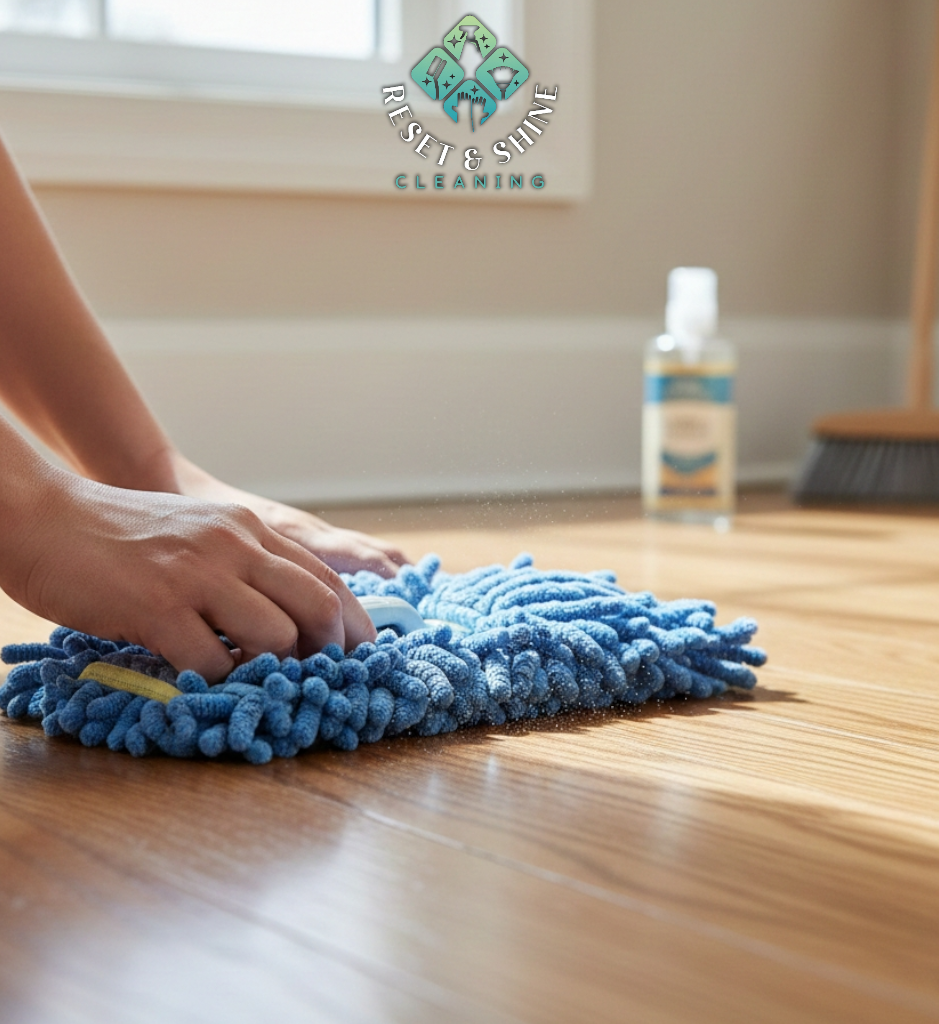
Initially, steps involve simple, routine maintenance. Dirt and grit are the primary enemies of hardwood. To begin, these tiny particles act like sandpaper on the finish. Consequently, regular sweeping becomes absolutely necessary. You should sweep your floors daily, if possible. Always use a soft bristle broom for this task. Furthermore, consider a reliable microfiber dust mop. Specifically, this tool efficiently captures fine dust and pet hair.
Similarly, vacuuming requires careful consideration. You must ensure your vacuum cleaner uses the proper setting. Therefore, always turn off the rotating beater bar. Moreover, this stiff brush roll easily scratches delicate wood surfaces. In addition, attach a soft brush nozzle or floor tool. Likewise, this attachment allows for gentle, effective dirt removal. Ultimately, daily preventive action saves time and money on costly repairs. You will protect the integrity of the finish immediately.
💧 Choosing the Right Method: How to Clean Hardwood Floors Without Damage
Regular cleaning beyond daily sweeping requires caution. You must completely avoid excessive moisture. Conversely, water is the single greatest threat to hardwood. Therefore, too much water causes the wood to swell. Subsequently, this swelling leads to warping and gapping between planks. Consequently, always use a mop that is barely damp. Next, many professionals recommend a specialized spray mop.
Specifically, this convenient tool applies a fine mist directly to the floor. Furthermore, it prevents the floor from getting too wet. Quickly wipe the damp section immediately. Afterward, ensure you dry the floor thoroughly after mopping. Alternatively, use a clean microfiber cloth to buff dry any lingering damp spots. Ultimately, this simple step ensures safe hardwood floor cleaning practices.
🧴 Selecting the Perfect Gentle Hardwood Floor Cleaner
The cleaning solution itself holds equal importance. Never use multi-purpose cleaning liquids. Likewise, avoid using common kitchen products like vinegar or ammonia. Consequently, these harsh chemicals strip the protective polyurethane finish. Moreover, they will also dull the floor’s shine over time. Instead, purchase cleaning products specifically formulated for hardwood.
Many reputable brands offer pH-neutral, wood safe solutions. Specifically, look for cleaners that dry quickly. Furthermore, these products contain agents designed to lift dirt without soaking the wood. In addition, you should always test the cleaner first. Apply a small amount in an inconspicuous corner. Therefore, you confirm the cleaner does not damage or discolor the finish. Ultimately, always follow the manufacturer’s dilution instructions precisely. Using too much cleaner leaves a sticky residue. Subsequently, this residue attracts more dirt quickly.
🛑 Handling Spills and Stains Immediately
Accidents happen, but prompt action saves your floor. Never allow spilled liquid to sit on the wood. Ultimately, liquid seeps into the seams and causes permanent damage. Immediately blot up any spills with a clean, soft cloth. Subsequently, work from the outside edge toward the spill’s center. Therefore, this technique prevents the stain from spreading further.
For example, remove sticky residue like food with a slightly damp cloth. You can also apply a dab of wood cleaner to the cloth. However, gently rub the area until the mess dissolves. Conversely, for stubborn stains, you must consult a professional. Never aggressively scrub the wood surface yourself. Likewise, do not use steel wool or abrasive pads. Clearly, these tools will ruin the finish instantly.
❌ What Not to Use on Hardwood Floors (Essential Warnings)
Several common cleaning practices cause serious, irreparable damage. You should never use a steam mop on hardwood floors. Clearly, the intense heat and steam force moisture deeply into the wood. Consequently, this process quickly leads to warping and structural failure. Moreover, steam mopping voids most floor warranties. Likewise, avoid oil-based soaps and waxes completely. Specifically, these products often leave a hazy, difficult to remove buildup. Ultimately, the residue makes the floors look dull and dirty.
Furthermore, harsh chemicals like bleach are extremely damaging. They will irreversibly discolor the wood. In addition, never use abrasive scrubbers. Steel wool and scouring pads create visible scratches easily. Therefore, always opt for soft materials like microfiber and cotton. Remember, gentle cleaning preserves the floor’s finish. Conversely, aggressive cleaning destroys the wood’s defense layer. Finally, excessive sunlight can fade the color. Consider using curtains or blinds during peak sun hours.
🛡️ Long-Term Protection and Maintenance
Protecting your hardwood floors extends beyond just cleaning. Furniture represents another significant threat to the finish. Consequently, you must place felt pads beneath all chair and table legs. Check and replace these felt pads periodically. Specifically, worn pads lose their protective cushioning. Moreover, you should also place rugs or mats in high traffic areas. Areas near doorways and sinks need this extra buffer. However, use breathable, natural fiber rugs.
Never use rugs with rubber or non-vented backings. In fact, these materials trap moisture against the wood surface. Ultimately, this trapped moisture causes discoloration over time. Furthermore, keep pet claws trimmed neatly. Sharp claws inflict deep scratches easily. Eventually, the floor’s protective seal wears down entirely. You will then need to consider resealing the surface. A professional can assess the finish’s condition accurately. Subsequently, applying a new protective coat restores the floor’s luster. Therefore, this step protects the wood for many more years.
Conclusion
Proper hardwood floor maintenance is actually quite simple. Ultimately, it primarily requires adopting gentle habits. Remember to sweep regularly and avoid excessive water. Furthermore, only use cleaning solutions formulated for hardwood. You must also treat spills immediately and avoid steam mopping. Consequently, consistent, careful cleaning protects your valuable investment. You will enjoy the enduring beauty of your hardwood floors.
Leave a Reply