How to Clean Silver: Best DIY Ways for Jewelry and Silverware
Mastering the Shine: The Ultimate Guide to Cleaning Silver at Home
Silver adds elegance to any home. However, tarnish ruins that beautiful glow quickly. You might notice dark spots on your rings. Perhaps your favorite spoons look dull and grey. Consequently, you might worry about professional cleaning costs. Fortunately, you can restore that sparkle yourself. This guide explains how to clean silver effectively. Use simple items from your kitchen pantry. Follow these steps for professional results today.
Understand the Science of Tarnish
First, you must understand your enemy. Tarnish occurs when silver meets sulfur in the air. This chemical reaction creates silver sulfide. Ultimately, this layer looks dark and unattractive. Moisture often speeds up this process significantly. Because of this, humid environments damage silver faster. Fortunately, you can reverse this reaction easily. You just need the right tools and patience. Now, let us explore the best home methods.
The Aluminum Foil Miracle Method
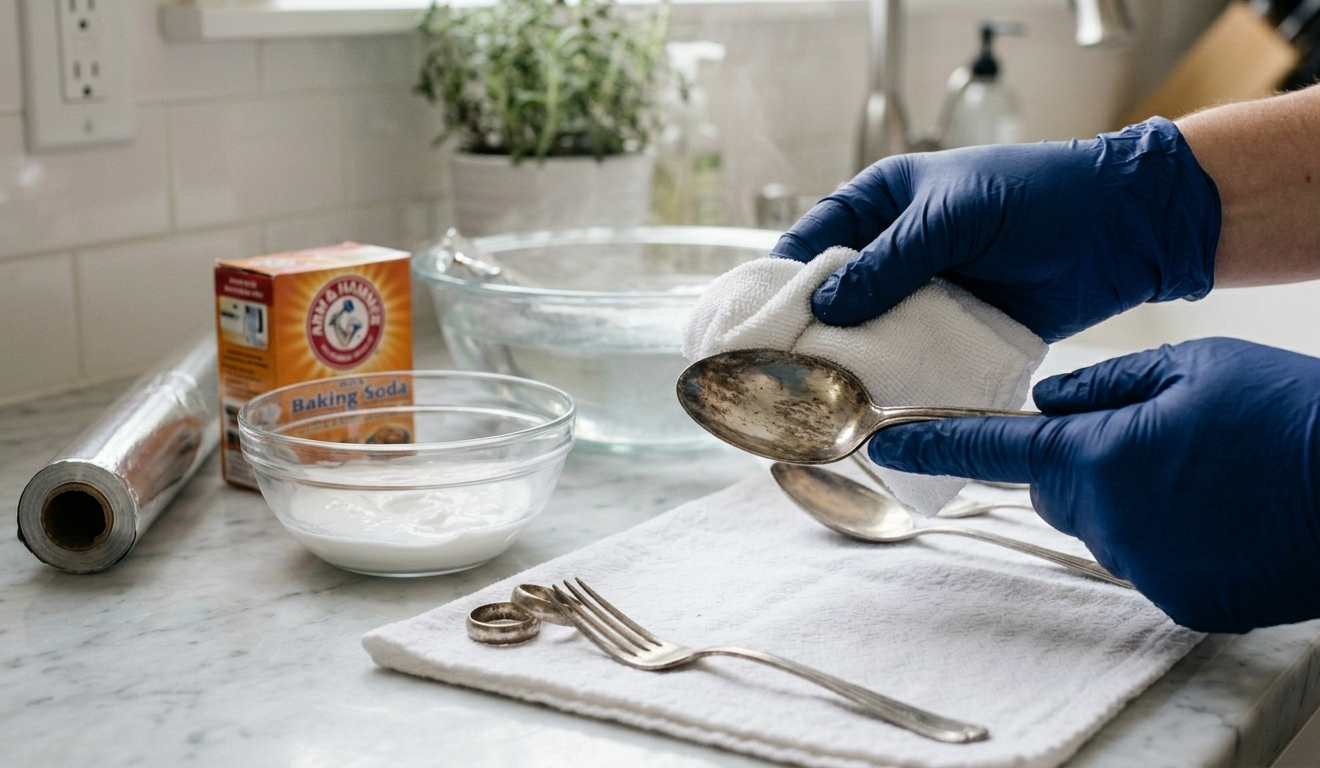
Initially, gather your necessary cleaning supplies. For example, you need a glass baking dish. Grab some standard aluminum foil. Additionally, collect baking soda and boiling water. First, line the dish with the foil. Ensure the shiny side faces upward. Next, place your silver on the foil. Make sure every piece touches the metal. Now, sprinkle baking soda over the items. Use about one cup for large batches.
Carefully pour the boiling water into the dish. Watch the bubbles start to form immediately. Furthermore, notice the strange sulfur smell. This scent proves the method actually works. In essence, the sulfur transfers from silver to foil. Wait for approximately five to ten minutes. Then, remove the silver with kitchen tongs. Use caution because the metal stays hot. Rinse each piece under cool running water. Finally, buff the silver with a soft cloth. You will see a brilliant shine return instantly.
Using Simple Dish Soap Daily
Sometimes, your silver only needs light maintenance. In this case, use mild dish soap. Avoid soaps with harsh citrus scents. Specifically, these acids can actually pit the metal. Fill a small bowl with warm water. Add a few drops of the soap. Afterward, swish the water to create light suds. Submerge your jewelry or spoons gently. Use a soft sponge for the surfaces.
Alternatively, find a very soft baby toothbrush. Scrub the tiny crevices with gentle pressure. After scrubbing, rinse the items thoroughly. Ensure no soap residue remains behind. Otherwise, soap film can attract more dust later. Afterward, dry the silver with a microfiber cloth. Never use paper towels for this task. Truly, paper fibers actually scratch soft silver surfaces. Instead, choose a clean cotton flannel cloth. Rub in long, straight back-and-forth motions. Because of how silver wears, circular motions can emphasize existing tiny scratches. Therefore, keep your strokes consistent and light.
The Power of Baking Soda Paste
Occasionally, you encounter very stubborn black spots. These spots require a thicker cleaning agent. To begin, create a paste using baking soda. Mix three parts soda with one part water. Stir until it reaches a thick consistency. Apply the paste with a lint-free cloth. Focus specifically on the heavily tarnished areas. Let the paste sit for two minutes. Then, rub the area very gently.
Moreover, watch the cloth turn grey or black. This color change shows the tarnish lifting. Next, rinse the paste away with warm water. Check your progress in bright natural light. Repeat the process for any remaining spots. Baking soda acts as a mild abrasive. Thus, it removes grime without deep scratching. However, do not use this on pearls. Soft gemstones cannot handle the abrasive texture. Instead, stick to plain water for delicate jewelry pieces.
Trying the Cornstarch Technique
Alternatively, try using a cornstarch mixture. This works well for silver-plated items. Notably, these pieces have very thin silver layers. You must treat them with extreme caution. Mix cornstarch and water into a paste. Apply it over the entire surface evenly. Allow the paste to dry completely. Generally, this takes about fifteen minutes.
Subsequently, use a rougher towel for removal. A cheesecloth or flour sack towel works. Effectively, this acts as a very fine polisher. Rub the dry paste off the metal. The tarnish should come off with the powder. Consequently, your silver looks refreshed and bright. This method avoids excess moisture and scrubbing. Therefore, it preserves the thin plating longer. Always finish with a dry buffing step. As a result, you ensure a streak-free appearance.
The Toothpaste Method Explained
Many people suggest using standard white toothpaste. However, you must choose the right type. Avoid gel formulas or whitening versions. These often contain silica or harsh chemicals. Instead, only use plain, non-abrasive white paste. Apply a small dab to your silver. Use a damp cloth to spread it. Rub the surface using very light pressure.
Next, rinse the item under warm water. Dry it immediately to prevent water spots. Toothpaste works great for portable cleaning needs. For instance, use it while traveling for rings. Nevertheless, do not make this a habit. Over time, toothpaste can dull the finish. Use the aluminum foil method for deep cleans. Meanwhile, save the toothpaste for quick emergency touch-ups. It provides a fast fix for dullness.
Storing Your Silver Correctly
Preventing tarnish saves you significant future work. Proper storage makes a massive difference. First, ensure every piece is perfectly dry. Moisture trapped in storage causes rapid corrosion. Wrap individual items in acid-free tissue paper. This prevents pieces from scratching each other. Additionally, consider using specialized silver storage bags. These bags contain anti-tarnish treated fabric. Ultimately, they neutralize sulfur gases in the air.
Furthermore, place silica gel packets in drawers. These packets absorb any excess ambient moisture. You should also add a piece of chalk. Surprisingly, chalk absorbs sulfur. This simple trick keeps silver bright longer. Avoid storing silver near rubber or latex. Rubber contains sulfur and causes deep stains. Similarly, keep silver away from stainless steel. These metals can react if they touch. Follow these rules to maintain your shine.
Essential Safety Reminders
Never put silver in the dishwasher. High heat and detergents cause permanent damage. Chemical reactions in the machine often turn silver black. Additionally, the movement can scratch delicate patterns. For these reasons, hand washing remains the only safe choice. Similarly, avoid using lemon juice on old pieces. Acid can dissolve the delicate copper in silver alloys.
Always wear nitrile gloves during heavy cleaning. Natural skin oils contain small amounts of sulfur. Your fingerprints can actually leave permanent marks. Clean your work surface before you begin. Otherwise, dust particles can act as sandpaper against the metal. Focus on one piece at a time. This prevents items from knocking together and denting. Take your time with the process. Quality results require a steady hand.
Final Thoughts on Silver Care
In conclusion, home silver care is easy. You already own the best cleaning tools. Use baking soda for most heavy jobs. Rely on dish soap for regular maintenance. Always dry your silver pieces completely. Buff them with soft, clean cotton cloths. Avoid harsh chemicals and abrasive scrubbers. Your silverware will stay beautiful for generations. Your jewelry will sparkle like brand new. Start your cleaning project this weekend. Enjoy the stunning results of your work.
Leave a Reply