
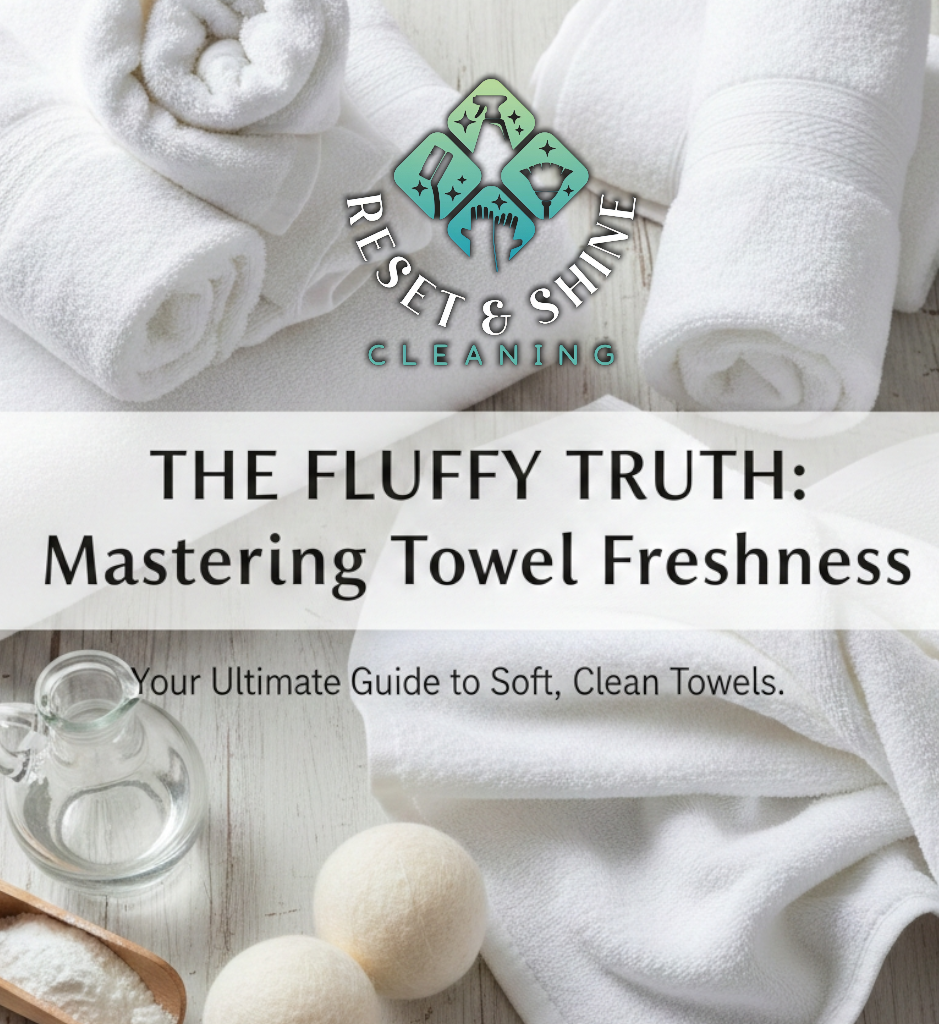
We all crave that moment: stepping out of a refreshing shower and wrapping ourselves in a soft, clean, and perfectly fluffy towel. Yet, how often does that dream become a reality? More frequently, we grab a towel that feels stiff, smells vaguely musty, or just doesn’t absorb quite right. Indeed, keeping towels fresh and fluffy requires more than a simple toss into the wash. It demands a specific, intentional approach to laundering and care. Ultimately, mastering this process elevates your entire bathroom experience.
💧 The Washing Cycle: Where Freshness Begins
Therefore, your washing machine is the first battleground against stiffness and odor. Initially, many people overload the machine. Consequently, towels do not rinse properly in an overstuffed drum. Furthermore, detergent residue and hard water minerals stick to the fibers. Eventually, this buildup is what makes your towels feel stiff and less absorbent. Moreover, this residue traps moisture and encourages musty smells.
Hence, wash towels in smaller, dedicated loads. Specifically, separate towels from your general clothing. This practice prevents lint transfer onto your clothes. Also, it allows the towels to move freely in the water. Crucially, avoid fabric softener when washing towels. Instead, fabric softener coats the fibers with a waxy film. In fact, this film inhibits the towel’s ability to absorb water. Thus, it actively defeats the purpose of the towel. Conversely, use white distilled vinegar in the rinse cycle. Similarly, adding just half a cup works wonders. Furthermore, vinegar naturally breaks down detergent buildup. Notably, it also eliminates any lingering odors. Moreover, vinegar is a gentle and effective deodorizer.
Alternatively, you can perform a deep clean every few months. First, wash the towels on a hot cycle with one cup of white vinegar. Next, immediately run a second hot cycle. However, this time use half a cup of baking soda. Certainly, never combine the vinegar and baking soda directly. These two agents will counteract each other’s cleaning power. Instead, run them in separate, consecutive cycles. Subsequently, this two step process fully strips away residue. The result is remarkably clean and soft fibers.
☀️ The Drying Ritual: Fluff and Finish
After all, the drying process is just as important as the wash. Remarkably, a high quality drying routine ensures maximum fluffiness. Too often, people leave wet towels in the washer. Immediately, a damp, warm environment promotes mildew growth. Consequently, you must move the towels promptly to the dryer. Furthermore, always dry your towels completely. Even slightly damp towels will develop a smell quickly.
Nevertheless, be mindful of the heat setting. Specifically, extremely high heat can actually damage the cotton fibers. This damage makes the towels feel crunchy over time. Therefore, use a medium heat setting instead. More importantly, do not over dry the towels. Over drying makes towels feel brittle and stiff. Instead, pull them out when they are just finished. Also, give each towel a good shake before drying. This action helps to open up the loops of the fabric. The open loops allow air to circulate more effectively. Ultimately, better air circulation means faster, fluffier drying.
Alternatively, consider adding dryer balls to the load. These simple spheres provide several great benefits. Primarily, they bounce around between the towels. This movement helps to separate the fabrics. They also prevent the towels from clumping together. Furthermore, dryer balls reduce drying time significantly. They also naturally soften the fibers. Importantly, dryer balls eliminate the need for chemical dryer sheets. Additionally, dryer sheets contain waxes and perfumes. These ingredients contribute to that stiff residue. Instead, wool dryer balls offer a chemical-free softening solution.
🛁 The Storage Solution: Keeping Them Pristine
Finally, consider how you store your perfectly clean towels. Ultimately, improper storage can undo all your hard work. To begin, ensure your towels are absolutely bone dry before folding. Any remaining moisture invites mildew and mustiness. Hence, a well ventilated linen closet is ideal. Conversely, avoid storing them in humid bathrooms. Humid air reintroduces moisture into the fibers.
Moreover, do not pack the towels too tightly on the shelf. Tight packing crushes the cotton loops. Crushed loops reduce the towel’s overall fluffiness. Instead, fold or roll them loosely. Rolling towels saves space and keeps them less compressed. Likewise, periodically rotate your towel supply. Specifically, use the ones on the bottom first. This rotation ensures that all your towels stay in circulation. Therefore, they avoid sitting unused for months.
In conclusion, maintaining fresh, fluffy towels is an attainable goal. Essentially, it involves a few simple adjustments to your routine. Specifically, skip the fabric softener. Instead, embrace the power of white vinegar. Also, always shake your towels before drying. Furthermore, never leave them damp. Most importantly, you should store them dry and loose. Consequently, you can always look forward to wrapping up in supreme comfort. This simple pleasure makes the effort completely worthwhile. Indeed, a pristine towel is a small luxury. Ultimately, you deserve that little bit of comfort every day.
Leave a Reply